Opus 5.5 designs a life-size LEGO Microduck from 1,113 real parts, with a 141-page build booklet (Victor Mustar, X video)
Victor M (@victormustar) · 2026-09-24 · ai-made · 1,345,363 views
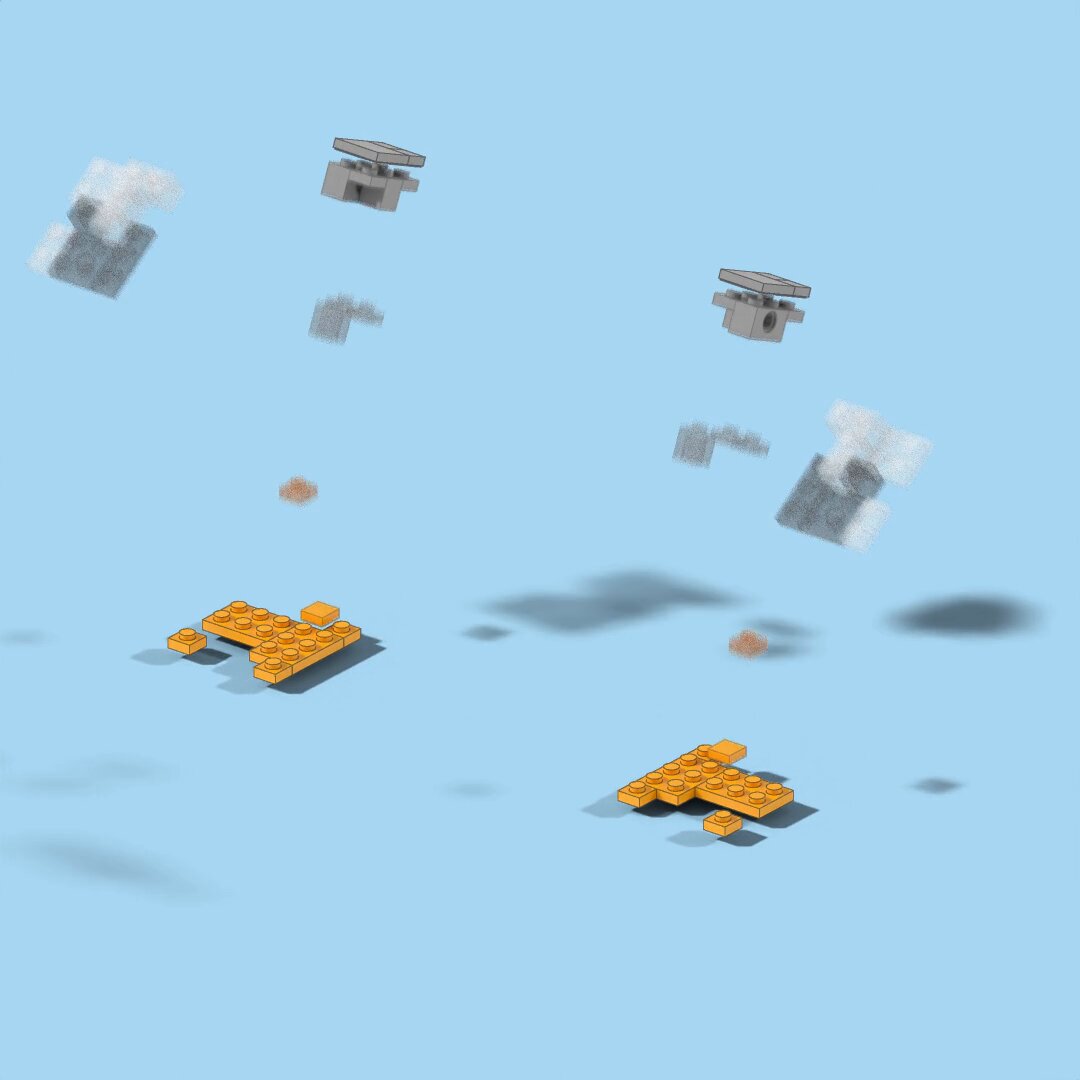
Made by AI
Model: Claude Opus 5.5 · Series: Agent-built game or 3D world (the video shows the result)
Evidence: X post (2026-09-24): 'Opus 5.5 designing LEGO 👀 / I asked it to design a Microduck I can build with real LEGO pieces. It: / > designed it life-size using 1113 real LEGO parts / > verified: 3,204 connections, 0 collisions, every step buildable, centre of mass inside the feet 🤯 / > made a 141-page LEGO-style booklet (237 steps) / > priced every piece in the browser and prepared the orders on BrickLink'
Human role: Creator asked for a buildable design; the model verified connections and collisions, produced a booklet and prepared BrickLink orders, per the creator.
Pipeline: Opus 5.5 → LEGO model (1,113 parts, 3,204 connections, 237 steps) → 24-second assembly animation
What's in the video
Description written by Gemini, which watched and listened to the whole video.
Summary
This showcase video shared by Victor Mustar (@victormustar) demonstrates a LEGO build designed with Claude Opus 5.5 based on Pollen Robotics' open-source bipedal robot "Microduck." The video features a 3D stop-motion assembly of the robot brick-by-brick, followed by an animated flip-through of a generated step-by-step instruction booklet.
What is shown
- [00:00–00:04]: Stop-motion 3D assembly begins with the feet and bipedal leg joints snapping together brick by brick.
- [00:05–00:09]: Construction of the white and dark-grey hip/pelvis module, attaching directly between the two legs.
- [00:10–00:14]: Assembly of the robot's head casing, eye/sensor aperture, and curved white dome top, which mounts onto the neck.
- [00:15]: The completed LEGO Microduck stands fully assembled in an isometric view.
- [00:16–00:23]: Animated page-turn preview of the instruction manual, showing the title cover, reading instructions ("How to read the steps"), sub-assembly steps (e.g., steps 3, 4, 24–26), parts inventory tables, and an "About this model" page featuring alternate poses and colorways.
Claims & numbers
- The model consists of 1,113 real LEGO parts (per video title/metadata and parts inventory).
- The instruction manual spans 141 pages (per metadata and booklet layout).
- Designed using Claude Opus 5.5 (as stated in the presentation title).
Notable quotes
- None (the video features no spoken dialogue or sung vocals).
Assessment
This is a 3D digital demonstration showcase highlighting an AI-driven CAD/brick design workflow. The visuals are completely computer-rendered (likely rendered via LDraw, Studio, or Blender) rather than real physical brick stop-motion, accurately illustrating the generated bill of materials and instruction manual layout.
AI-Generated Elements
Lyrics & themes
- Audio style: Instrumental Foley / sound design only. There are no lyrics, vocals, or background music.
- Sound structure: Rhythmic snapping and clicking brick sounds accompany the assembly sequence ([00:00–00:15]), followed by rapid paper fluttering and page-turn rustles as the booklet flips open ([00:16–00:23]).
Lore & references
- Pollen Robotics & Microduck: The model is based on the open-source biped robot created by Pollen Robotics.
- Claude Opus 5.5: Demonstrates frontier reasoning capabilities in physical layout planning, part constraints, and compiling complex multi-page documentation.
Visual style & craft
- Visuals: Clean isometric 3D rendering against a minimalist light blue backdrop with soft shadows and subtle motion blur on descending pieces.
- Booklet Layout: Follows standard LEGO instruction design language, including individual piece callout bubbles, sub-assembly icons, step numbers, and complete end-matter parts inventories.
Described by gemini-3.8-flash on 2026-10-05 from the video's audio and frames.